
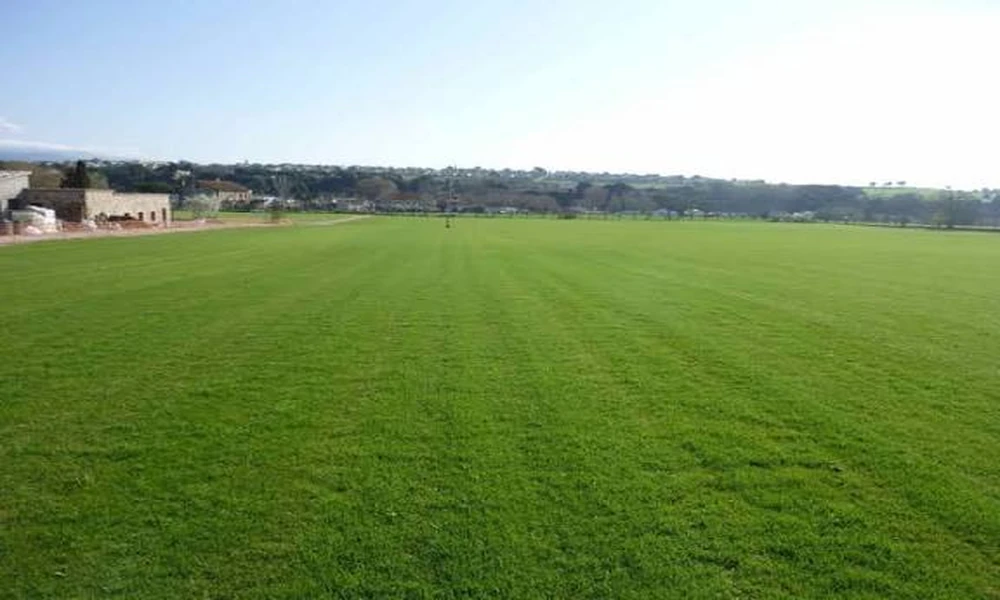

Getting the seeding rate wrong is the quickest way to waste money on a new lawn. Sowing too little leaves bare ground that weeds will happily claim. Spreading too much crowds young seedlings until many die before rooting. Anyone planning a project with texas native turf seeds needs clear numbers before buying a single bag. The guidance below breaks those figures down by grass type, purpose plus planting method.
Understanding Pure Live Seed Before Buying
Every seed bag lists purity along with germination percentages on its label. Multiply those two numbers to find the pure live seed figure you actually receive.
Converting Lawn Rates into Acre Totals
Most lawn rates are written per thousand square feet of ground. One acre equals 43,560 square feet, so multiply that low rate by roughly 43.5.
A quick example makes this easier to picture. If a grass calls for two pounds per thousand square feet, one acre needs about 87 pounds.
Typical Rates for Common Native Grasses
Rates change depending on whether you want dense turf or open ground cover. The lawn figures here are listed per thousand square feet unless noted otherwise.
- Buffalograss lawns need roughly two to four pounds per thousand square feet.
- Blue grama lawns often use one and a half to two pounds.
- Native blends mixing both grasses commonly sit between two and three pounds.
- Buffalograss roadside plantings often use twenty to forty pounds per acre.
- Treated buffalograss seed sprouts faster than untreated burs in warm soil.
Always follow the label when it differs from general guidance. Seed lots vary in quality from one harvest to the next.
Adjusting Rates for Your Planting Method
Broadcasting texas native turf seeds by hand or spreader usually calls for heavier rates than drilling. Seed scattered on the surface faces birds, wind plus drying soil.
- Increase broadcast rates by roughly one and a half to two times.
- Rake seed lightly so it sits about a quarter inch deep.
- Roll the area afterward to press seed firmly against moist soil.
Timing matters just as much as quantity. Sow after soil temperatures reach about 65 degrees Fahrenheit for steady germination.
Seeding Rate Comparison at a Glance
| Grass Type | Lawn Rate per 1,000 sq ft | Approx. Lawn Rate per Acre | Best Use |
| Buffalograss | 2 to 4 lb | 87 to 175 lb | Full sun, low water lawns |
| Blue grama | 1.5 to 2 lb | 65 to 87 lb | Fine textured, drought tolerant turf |
| Buffalograss and blue grama blend | 2 to 3 lb | 87 to 130 lb | Mixed native lawns |
| Buffalograss for low maintenance areas | Not used | 20 to 40 lb | Roadsides or open ground |
These ranges assume pure live seed values close to typical label averages. Raise your totals when the germination rate printed on the bag runs lower.
Common Questions and Answers (FAQ)
- How do I turn a pure live seed rate into bulk pounds? Divide the recommended rate by the PLS percentage on the bag. A 20-pound PLS rate at 80 percent needs 25 bulk pounds.
- Can I overseed thin patches in an existing native lawn? Yes, spread about half the normal rate over thin spots in late spring.
- What happens if I seed too heavily? Seedlings compete for water, which often leads to weak, patchy stands.
- How often should I water after sowing? Keep the top inch damp daily for about three weeks until sprouts appear.
Getting It Right
Successful stands begin by checking pure live seed values on every label. Next, convert small area rates into acre totals before ordering supplies. Match the amount to your sowing method since broadcasting demands extra coverage. Plant once soil warms, then keep the surface damp until sprouts emerge. Careful math followed by steady care produces thicker turf than guesswork ever will.