
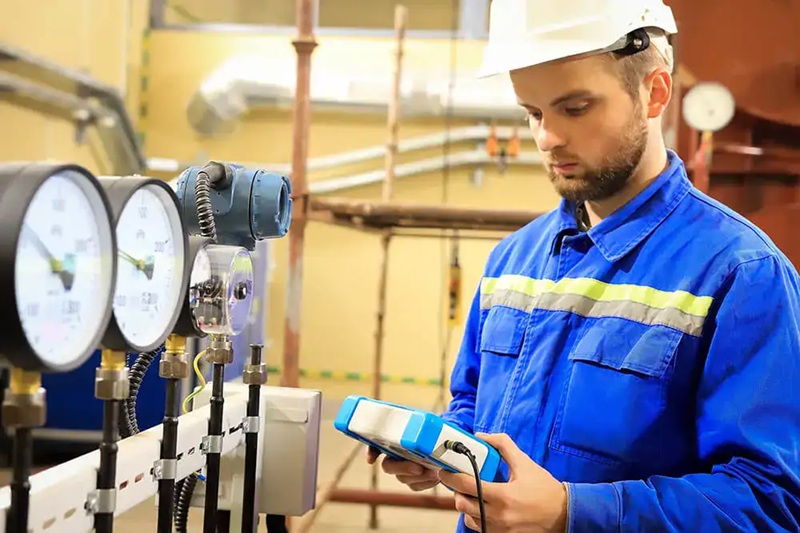

Introduction: Why Pipeline Maintenance Matters
Pipelines are the lifelines of industries such as oil, gas, petrochemicals, power, and water distribution. They transport critical resources over vast distances, ensuring that cities, industries, and communities function smoothly. However, pipelines are continuously exposed to external stress, corrosion, pressure changes, and natural wear and tear.
Without proper maintenance, pipelines can fail, leading to leaks, environmental hazards, financial losses, and safety risks. That’s why a complete pipeline maintenance strategy—covering routine inspections, safety measures, and preventive care—is essential.
This guide explores the key elements of pipeline maintenance, including modern solutions like pipeline pigs, leak repair clamps, and grooved pipes, which help industries achieve reliability, efficiency, and long-term durability.
Understanding Pipeline Maintenance
Pipeline maintenance is the combination of activities that ensure pipelines continue operating safely and efficiently. It includes:
- Preventive Maintenance – Regular inspections and cleaning to stop problems before they occur.
- Corrective Maintenance – Repairs and replacements after identifying issues.
- Predictive Maintenance – Using technology to forecast when maintenance is required.
- Emergency Maintenance – Immediate fixes during unexpected breakdowns or leaks.
A good maintenance program reduces risk, cuts costs, and improves overall pipeline performance.
The Role of Preventive Care in Pipeline Safety
Preventive care is the cornerstone of safe pipeline operations. Instead of waiting for breakdowns, preventive strategies ensure:
- Early detection of corrosion, leaks, and blockages
- Reduced downtime and operational interruptions
- Extended pipeline lifespan
- Compliance with safety and regulatory standards
With the right preventive tools—like pipeline pigs, grooved pipes, and leak repair clamps—industries can avoid catastrophic failures and maintain uninterrupted services.
Pipeline Pigs: Cleaning, Inspection, and Monitoring
Pipeline pigs are essential tools for preventive maintenance. They are devices inserted into pipelines to clean, inspect, and monitor internal conditions.
Functions of Pipeline Pigs
- Cleaning – Removes dirt, scale, wax, and debris that restrict flow.
- Inspection – Smart pigs use sensors to detect corrosion, cracks, and wall thinning.
- Separation – Ensures product separation in multiphase pipelines.
- Monitoring – Tracks pressure, flow rate, and overall pipeline health.
Benefits of Using Pipeline Pigs
- Improves flow efficiency
- Reduces pumping energy costs
- Detects early warning signs of damage
- Minimizes unplanned shutdowns
By including pigging as part of a routine maintenance schedule, operators can maintain pipeline integrity and enhance safety.
Leak Repair Clamps: Ensuring Quick, Safe, and Reliable Repairs
Despite preventive efforts, leaks can occur due to corrosion, accidents, or extreme conditions. A leak repair clamp provides an immediate solution.
How Leak Repair Clamps Work
Leak repair clamps are mechanical sleeves that are clamped over a damaged pipeline section. They create a tight seal, preventing fluid or gas escape while allowing the system to keep running.
Advantages of Leak Repair Clamps
- Fast application – Repairs leaks within minutes.
- Minimizes downtime – No need for shutdowns or welding.
- Versatile – Fits multiple pipe sizes and materials.
- Cost-effective – Saves money on emergency replacements.
For industries where downtime translates to huge financial losses, having leak repair clamps as part of preventive strategy is critical.
Grooved Pipes: Enhancing Flexibility and Safety in Pipeline Systems
Grooved pipe systems are a modern alternative to traditional welding and threading methods. They use couplings to connect pipes, offering greater flexibility and faster installation.
Why Grooved Pipes Improve Maintenance
- Easy Maintenance – Sections can be dismantled for inspection and repair without cutting or welding.
- Flexibility – Absorbs vibration, movement, and thermal expansion, reducing stress on the system.
- Safety – Eliminates hot work, making installation safer.
- Speed – Installation is up to 3x faster than welding.
Where Grooved Pipes Are Used
- Fire protection systems
- HVAC pipelines
- Water supply networks
- Industrial process pipelines
By using grooved pipes, industries ensure faster repairs, lower labor costs, and safer operations.
Building a Pipeline Safety Strategy
A complete pipeline maintenance program includes:
1. Routine Inspections
- Regular pigging operations for cleaning and monitoring
- Visual inspections of joints and fittings
- Checking for leaks, corrosion, and pressure variations
2. Preventive Maintenance Tools
- Use of pipeline pigs for inspection and cleaning
- Keeping leak repair clamps ready for quick response
- Designing systems with grooved pipes for easier upkeep
3. Emergency Preparedness
- Staff training for quick leak response
- Stocking repair clamps and spare parts
- Having protocols for partial shutdowns
4. Long-Term Planning
- Implementing predictive monitoring technologies
- Budgeting for scheduled replacements
- Ensuring compliance with international safety standards
Making Pipelines Safer and More Reliable
Pipeline maintenance, safety, and preventive care go hand in hand. By adopting a comprehensive strategy that includes pipeline pigs for cleaning and monitoring, leak repair clamps for emergency fixes, and grooved pipes for flexible maintenance, industries can significantly reduce risks and improve efficiency.
A well-maintained pipeline system ensures:
- Fewer breakdowns
- Reduced downtime
- Cost savings
- Enhanced safety
Preventive care is the smartest approach for industries that depend on pipelines—and the most effective way to ensure long-term reliability.