
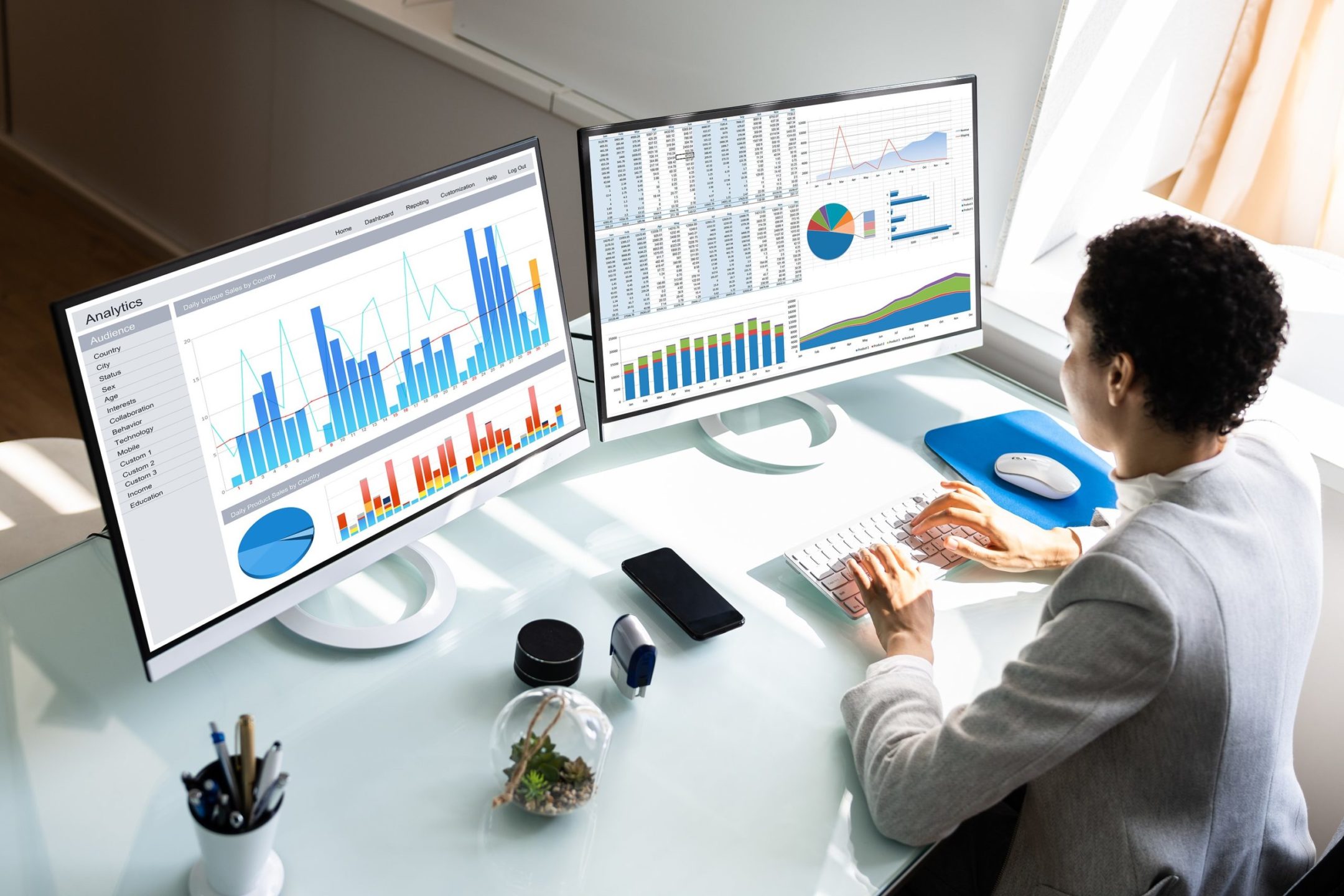

Running a business in Singapore today isn’t just about being great at what you do. It’s about how well (and how fast) you manage your daily operations, from finances and inventory to HR and invoicing. For many businesses, especially small and medium-sized enterprises (SMEs), this is where ERP systems in Singapore step in as real game changers.
Now, we know “ERP” sounds like a heavy, corporate term. But it’s not just for large enterprises anymore. More and more SMEs are realising how ERP systems can help them save time, reduce manual work, improve accuracy, and ultimately boost productivity, especially when integrated with modern initiatives like InvoiceNow.
What Exactly Is an ERP System?
Think of an ERP (Enterprise Resource Planning) system as a central command hub for your business. It connects all your key processes, from accounting to inventory to HR, into one single system. No more jumping between five different apps or drowning in spreadsheets.
Here’s what an ERP can typically manage:
- Accounting & Finance — Budgeting, expenses, GST reporting
- Inventory Management — Stock tracking, reordering, and supplier management
- Human Resources & Payroll — Leave management, CPF, monthly payroll
- Sales & CRM — Customer relationships, quotations, orders
- Project & Operations — Timelines, resource planning, team collaboration
Rockbell’s ERP system, for example, helps you cut the clutter and work more efficiently. Everything lives in one system, updates in real time, and makes life easier, not harder.
Why More Singapore Businesses Are Saying Yes to ERP
Singapore’s push towards digitalisation, especially through government initiatives like SMEs Go Digital, means more businesses are encouraged (and supported!) to upgrade their systems. ERP is often the first big step.
Here’s why:
1. Say Goodbye to Departmental Silos
Without an ERP system, it’s easy for departments to work in isolation — finance doesn’t talk to sales, HR is chasing paperwork, and inventory is a mystery until it’s too late. ERP brings everyone onto the same page. Data is shared across the board, so decisions are faster, smarter, and less stressful.
2. Automate the Mundane (So You Can Focus on the Big Stuff)
Tired of manually processing invoices or reconciling spreadsheets? ERP systems automate all that. Whether it’s running payroll, generating purchase orders, or calculating GST, you can automate these tasks and reduce human error along the way.
3. Real-Time Data = Faster, Smarter Decisions
Want to know how your business is performing right now? ERP dashboards give you live updates such as daily sales, inventory shortages, or overdue invoices. This means less guesswork and more informed decisions, on the fly.
4. InvoiceNow Integration? You Bet
One of the biggest perks of modern ERP systems in Singapore? Many now come with Peppol-ready capabilities to work seamlessly with InvoiceNow, the national e-invoicing initiative.
Instead of downloading a PDF invoice, attaching it to an email, and waiting for your client to process it (and maybe even miss it), your ERP can send e-invoices directly from your system to theirs — securely, quickly, and without the back-and-forth. That means faster payments, fewer mistakes, and a more professional approach.
What Should You Look For in an ERP System?
If you’re thinking, “Alright, I’m interested, but where do I even begin?”, here are some features to look out for:
- Peppol (InvoiceNow) Integration: If e-invoicing is on your roadmap, make sure it’s built in
- IRAS/GST Compliance: For smooth tax reporting and returns
- Local Support & Customisation: You’ll want a vendor who understands Singapore’s business landscape
- Modular Options: Start with what you need — don’t overbuy features you won’t use yet
- Grant Eligibility: Some systems qualify for government grants like PSG and EDG, which can cover up to 50-70% of costs
Popular ERP Systems Used by Singapore SMEs
There’s no one-size-fits-all solution, but here are a few ERP systems that have made a name for themselves among Singapore businesses:
- AutoCount ERP – Known for localised accounting features and Peppol compliance
- SAP Business One – Suitable for growing companies with regional expansion in mind
- Million ERP – A solid, budget-friendly choice for smaller businesses
- Oracle NetSuite – A robust cloud-based ERP, great for scalability
- Deskera ERP – Cloud-native, user-friendly, and priced well for startups
The key is to match your choice to your business size, industry, and how tech-savvy your team is.
So, Where Do You Start?
Don’t worry — implementing an ERP system isn’t the mammoth task it used to be. Today’s systems are often:
- Cloud-based (no servers, no fuss)
- User-friendly (designed for everyday use, not just IT teams)
- Modular (you can start with just accounting or inventory)
- Grant-supported (thanks to PSG or EDG)
Most providers offer demos and even basic trials. Some even include training and onboarding, so your staff doesn’t feel overwhelmed.
Final Thoughts: Don’t Work Harder — Work Smarter
If your team is constantly bogged down by admin work, manual processes, or duplicate data entry, it’s probably time for a change. ERP isn’t just a fancy tool for big businesses anymore. For Singapore SMEs, it’s quickly becoming a must-have to stay efficient, competitive, and future-ready.
Add InvoiceNow integration to the mix, and you’re not just upgrading your system, but you’re also upgrading your entire business workflow.