
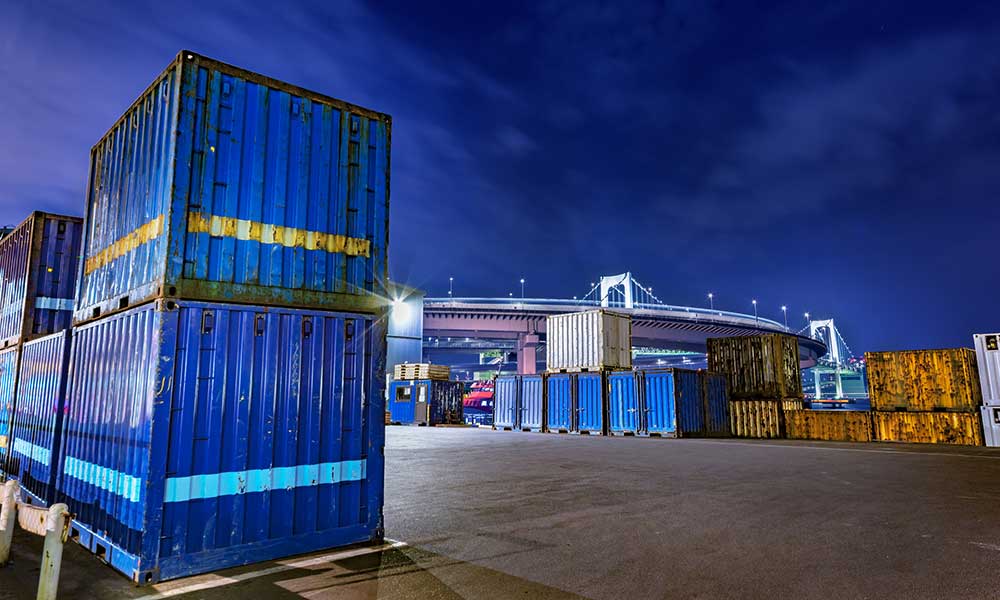

Vietnam has appeared as one of Southeast Asia’s fastest-growing economies, and its international trade agreements have positioned it as a player in global supply chains. The import export vietnam logistics service became an important element in supporting the country’s trade and economic development.
You will understand here how Vietnam manages its import and export logistics.
Logistics infrastructure
Ports and shipping
Vietnam has more than 40 seaports with major ones that handle the bulk of import and export activities. The Cai Mep–Thi Vai Port accommodates large container ships and is an essential transshipment hub.
Air Cargo
Vietnam has 22 airports as the gateways for air freight, which handles high-value and time-sensitive goods.
Road and rail networks
The road system in Vietnam connects the ports to inland cities and industrial zones for transporting goods across the country. The rail logistics is modernized particularly on the North-South railway corridor.
Logistics service providers
Vietnam has local and international logistics providers with its key players, such as:
- Local firms
- International firms
These companies offer several services, such as:
- freight forwarding
- warehousing
- trucking
- customs brokerage
- supply chain management
Customs and trade facilitation
Vietnam made strides to simplify customs procedures. The VCIS system is used as the country’s modern electronic customs clearance system. The ASEAN single window is integrated with regional partners to streamline documentation to import and export goods. Vietnam is a part of the Free Trade Agreements that promote trade and reduce tariffs.
These changes reduce the processing times and increase the transparency.
Future outlook and government initiatives
The Vietnamese government addresses the issues by developing the Vietnam Logistics Development Strategy that focuses on the following:
- Expanding port capacity and inland container depots (ICDs)
- Investing in multimodal transport and green logistics
- Developing smart logistics parks and digital logistics solutions
- Strengthening human resources in logistics with their training programs
Vietnam aspires to become a regional logistics hub. It is leveraging its location along the major maritime routes and integration into global trade networks.
Challenges in import and export logistics
Vietnam’s logistics sector faced different loads, such as:
- Infrastructure bottlenecks
- High logistics costs
- Limited cold chain capacity
- Fragmentation
However, the challenges are held well by the reliable import and export logistics service in Vietnam.
Conclusion
Import and export logistics are Vietnam’s life economy. It powers up global trade, experiencing great progress in the country. The modernized logistics procedure and infrastructure have made importing and exporting products in Vietnam run smoothly. The right strategic planning and policies have made Vietnam a global logistics hub in the upcoming years.
Import and export logistics in Vietnam are considered good compared to other developing countries. The strategic location and extensive coastline are the factors that contribute to the excellent successful global logistics in this country.