
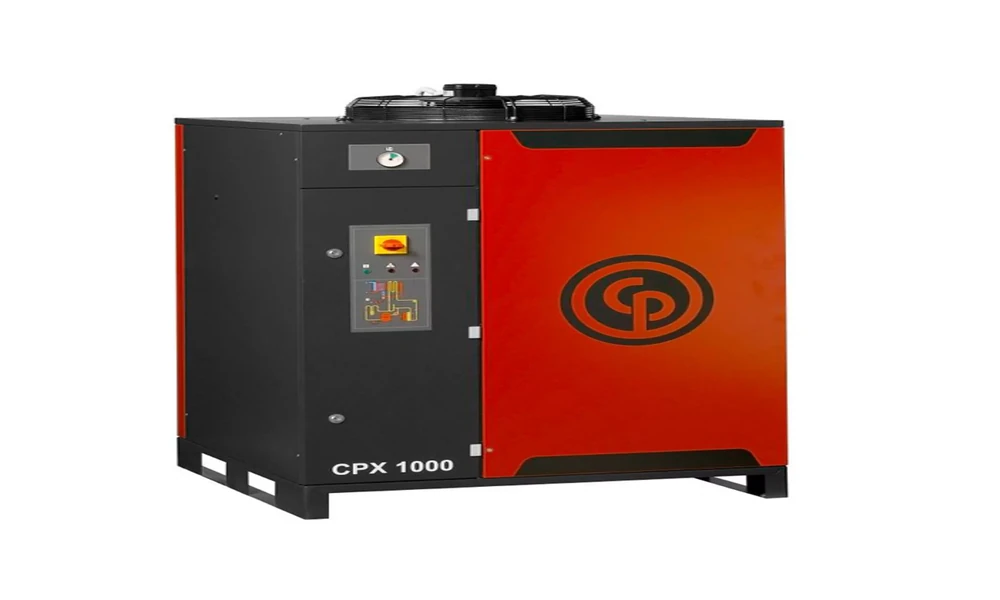

Industrial facilities depend on compressed air for performing numerous operations, ranging from powering pneumatic tools to supporting different manufacturing processes. However, the atmospheric air entering a compressor naturally contains a certain amount of water vapour. Changes in pressure and temperature can cause this moisture to condense within storage tanks, pipelines and other components of the compressed air network.
The presence of water inside the system may initially appear to be a minor concern. However, excessive moisture can eventually result in corrosion, equipment breakdown, higher maintenance requirements and even contamination of the final product. Therefore, understanding where moisture originates and how it can be effectively removed becomes important for maintaining an efficient compressed air system.
Where Moisture Comes From
Atmospheric air naturally contains water vapour, and the amount can vary considerably according to surrounding temperature and humidity conditions. When a compressor draws atmospheric air into the system, this moisture enters along with it.
During compression, the pressure of the air increases. As the compressed air subsequently cools, its ability to retain water vapour reduces and condensation begins to develop. Consequently, water can accumulate within air receivers, pipelines and different parts of the distribution network.
Therefore, moisture is not necessarily an indication of a defective compressor. It is a natural consequence of compressing atmospheric air. However, the water that develops must be appropriately removed before it begins to interfere with equipment or manufacturing operations.
Why Moisture Is a Problem
Even a relatively small amount of water can create difficulties within compressed air systems. One of the primary concerns is corrosion. Continuous exposure to moisture can gradually damage the internal surfaces of storage tanks, valves and piping, thereby reducing the operational lifespan of these components.
Moisture can also interfere with lubricants and seals used in pneumatic machinery. As a result, tools and equipment operating with moist compressed air may require more frequent maintenance and can potentially experience premature component damage.
The concern becomes even more relevant when compressed air is involved (directly or indirectly in a manufacturing process). Water droplets reaching the final product can negatively affect its quality and performance.
Moreover, accumulated water within pipelines can restrict airflow and contribute towards pressure drops. This can interfere with normal system operation and may eventually result in unexpected production interruptions. Thus, moisture removal helps protect not only the compressor but also the complete compressed air network and the equipment connected to it.
How Moisture Is Removed
There is no single moisture removal arrangement suitable for every compressed air application. The appropriate method depends on operating conditions, climatic factors and the required air quality. Several pieces of equipment can consequently be utilised together to control moisture effectively.
1. Aftercoolers
The compressed air temperature can be relatively high immediately after it exits the compressor. An aftercooler reduces this temperature before the air moves further into the system.
As the temperature decreases, a considerable portion of the water vapour condenses into liquid form. This condensed moisture can then be separated and drained from the system. Therefore, aftercoolers provide an important initial stage of moisture management.
2. Water Separators
After condensation takes place, water separators can be utilised to remove larger liquid droplets from the airflow.
These devices generally operate by changing the direction or movement of the air. Since water droplets are heavier than air, they separate from the airflow and can subsequently be collected and drained. Water separators consequently help reduce the amount of liquid moisture travelling further into the system.
3. Air Dryers
Applications requiring greater control over moisture commonly utilise air dryers. The type of dryer selected depends primarily on the level of air dryness required by the concerned process.
Refrigerated Dryers: These systems cool the compressed air so that additional water vapour condenses and can be removed. Refrigerated dryers are suitable for a wide range of general industrial applications.
Desiccant Dryers: These dryers utilise specialised materials that absorb moisture present in compressed air. They are particularly useful for applications where extremely low moisture levels are required.
Choosing the Right Moisture Control Solution
The amount of moisture entering a compressed air system can change according to the temperature and humidity of the intake air. Therefore, local operating conditions should be considered before selecting suitable moisture control equipment.
The required air quality is equally important. Certain industrial processes can tolerate some moisture, whereas others require considerably drier air. Applications involving paint spraying, instrumentation and pharmaceutical manufacturing, for example, may have strict requirements regarding moisture levels.
System size and operating patterns must also be prioritised. A smaller compressor operating intermittently will have different moisture-management requirements (when compared with a large industrial facility operating across multiple shifts). Moreover, moisture control equipment requires regular maintenance to continue functioning effectively.
- Drain valves should be inspected and cleaned
- Filters must be replaced when required
- Dryers should be serviced according to the recommendations of the manufacturer.
Neglecting these activities can allow moisture to accumulate even when suitable treatment equipment has already been installed.
The Benefits of Proper Moisture Management
Effective moisture management can considerably improve the performance and reliability of compressed air systems. Some of the primary benefits include –
- Lower Maintenance Costs: Reduced moisture exposure can minimise corrosion and component damage, allowing equipment to operate reliably for longer periods.
- Lesser Damage: Preventing water from entering manufacturing processes helps protect products against moisture-related contamination and quality concerns.
- Reduced Downtime: Fewer moisture-related equipment problems can minimise unexpected interruptions and help production facilities maintain regular operations.
- Smoother Airflow: Properly treated dry air reduces the possibility of water accumulation within pipelines, thereby helping minimise restrictions, pressure drops and unnecessary energy consumption.
Moisture is naturally present in atmospheric air and cannot be prevented from entering a compressor completely. However, it can be effectively managed before it creates operational difficulties. By combining suitable aftercoolers, water separators, air dryers and regular system maintenance, industrial facilities can protect their equipment while maintaining dependable and efficient compressed air operations.
Why Removing Moisture from Compressed Air Matters