
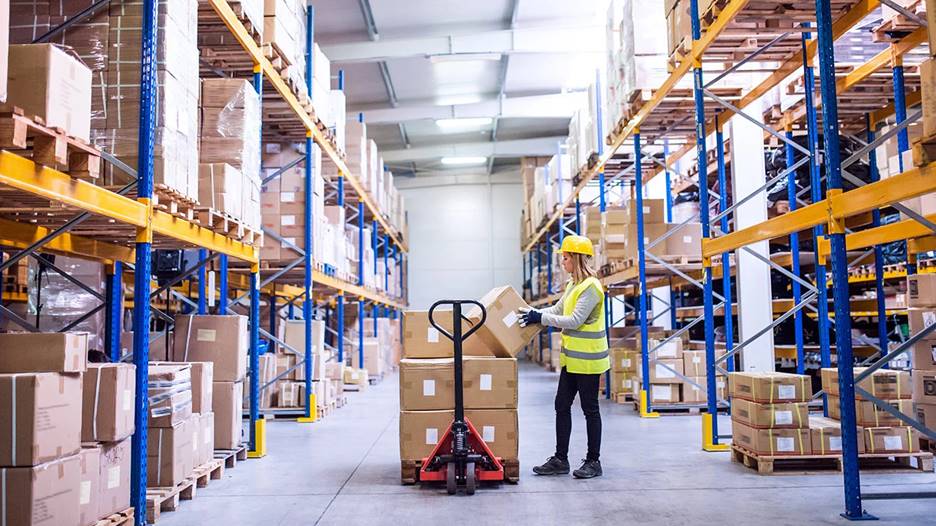

An efficient order fulfillment process is vital for keeping up with the fast-paced demands of today’s logistics and supply chain environment. At its heart, improving order fulfillment means streamlining operations, reducing the time between receiving an order and delivering it, and enhancing customer satisfaction and loyalty at every step.
By focusing on and optimizing fulfillment operations, companies can create a smooth flow of goods to customers, building a responsive and dependable supply chain that plays a key role in achieving strong business results.
Measure Your Fulfillment Performance: Key Metrics to Track
Before developing strategies to enhance order fulfillment, it’s important to understand where your current performance stands — and that begins with tracking the right metrics. Without a clear baseline, it becomes difficult to measure progress, find operational bottlenecks, or justify investments in new tools and processes.
Order fulfillment performance can vary based on factors like warehouse design, order characteristics, and industry needs. However, certain key performance indicators (KPIs) provide a reliable way to assess how well your fulfillment system is functioning.
Some essential KPIs include:
- Fulfillment costs: The total expenses involved in receiving and storing inventory, picking and packing products, and shipping orders to customers.
- Order cycle times: The total time it takes from when an order is placed to when it’s delivered.
- Labor productivity: The amount of output your workforce achieves compared to the resources used.
For more detailed insights into performance, also track:
- Order Picking Accuracy: To minimize mistakes that result in returns or re-picking.
- Return Rate Due to Fulfillment Errors: To highlight issues in packing, labeling, or inventory accuracy.
- Inventory Turnover: To evaluate how well inventory is being managed relative to sales speed.
Monitoring these metrics helps companies pinpoint weak points, add business value, improve supply chain performance, and build an efficient order fulfillment process that meets customers’ evolving expectations.
12 Proven Ways to Improve Order Fulfillment Efficiency
In today’s business world, adopting the right technology, refining inventory strategies, and strengthening logistics operations are essential steps for improving fulfillment performance. Below are twelve practical strategies to help you achieve greater efficiency:
1. Optimize Warehouse Layout
Improving warehouse layout is the first step toward boosting the flow of goods throughout the supply chain. A well-designed layout ensures that frequently picked items are easy to access, reducing travel time for warehouse staff. Identify the fastest-moving products and place them in locations that minimize picking times.
Consider implementing zone-picking strategies and analyzing order data regularly to update layouts based on demand patterns. Vertical storage systems can also increase space efficiency, making it easier and quicker for staff to retrieve items.
2. Real-Time Inventory Management
Accurate inventory management is crucial for keeping customers informed about product availability and ensuring orders are processed efficiently. Any mismatch between actual stock and recorded inventory can slow down the picking, packing, shipping, and fulfillment process.
Real-time inventory tracking offers visibility into stock levels and ensures orders are fulfilled promptly and correctly. Using a warehouse management system (WMS) can automate inventory tracking, reduce errors, and streamline operations.
To avoid backorders and partial shipments, consider implementing strategies such as:
- Maintaining safety stock
- Conducting regular demand forecasting
- Using reorder point algorithms
- Applying clear naming and labeling practices
- Performing regular spot checks
3. Optimized Slotting
Order slotting involves placing items strategically in the warehouse to reduce picking times and avoid inefficiencies. The best approach is to analyze picking data to determine the most effective product locations based on size, weight, and order frequency.
Review and adjust slotting regularly to keep high-demand items accessible and adapt to seasonal changes in demand. This ensures picking remains fast and efficient as order patterns evolve.
4. Streamlined Order Picking
Order picking is often the most labor-intensive and expensive part of fulfillment, making up to 55% of distribution costs. Improving this process speeds up delivery and reduces errors. Different picking methods are suited to different needs:
- Wave picking: Ideal for large batches of similar orders.
- Waveless picking: Adapts in real-time to order flow for continuous efficiency.
- Small batch picking: Groups small orders to reduce travel time.
- Zone picking: Assigns workers to specific areas for faster handling.
- Discrete picking: Best for high-value or customized orders requiring accuracy.
Choosing the right approach depends on your order types, product characteristics, and fulfillment goals.
5. Efficient Packing and Shipping
Packing and shipping play a major role in the overall fulfillment process. Automation can significantly improve efficiency by selecting the right box size, printing labels, and even completing the packing process with minimal human input — all while reducing errors.
It’s also important to choose shipping carriers carefully based on cost, reliability, and delivery speed. Minimizing packaging materials and using appropriately sized boxes not only reduce costs and waste but also support sustainability goals and ensure product safety during transit.
6. Utilize Technology for Order Tracking
An integrated order tracking system keeps customers updated at every stage, from purchase to delivery. This transparency builds trust, reduces inquiries, and enhances the overall customer experience.
In addition, order tracking technology provides valuable data for businesses to refine their fulfillment strategies and make better vendor decisions.
7. Defined Communication Channels
Clear communication between departments — including sales, warehouse operations, and customer service — ensures issues are resolved quickly, inventory levels are properly managed, and delivery schedules remain on track.
Establishing centralized communication through regular meetings, shared metrics, and integrated systems helps maintain a single source of truth. Coordinated communication with external partners also ensures timely restocking and delivery.
8. Implement Advanced Demand Forecasting
Using advanced analytics and historical data can significantly improve demand forecasting accuracy. These models account for trends, seasonality, promotions, and market changes to predict future inventory needs.
By integrating forecasting tools into warehouse and procurement systems, businesses can automate replenishment, maintain appropriate safety stock, and better align inventory with actual demand.
9. Automate Returns Management
Returns are a key part of the fulfillment process that should not be overlooked. A returns management system (RMS) can automate return authorizations, track returned items, and streamline the restocking or refurbishing process.
Automation reduces errors, speeds up refunds or replacements, and provides insights into return causes, helping improve product quality and fulfillment operations.
10. Employ Pick-to-Light and Voice Picking Technologies
Pick-to-light and voice-directed picking systems can dramatically improve picking speed and accuracy. Pick-to-light uses LED indicators to guide pickers to the right locations, while voice picking provides hands-free instructions for safer and faster workflows.
These technologies integrate with warehouse systems, providing real-time feedback and data to continuously refine processes.
11. Optimize Labor Scheduling and Performance Monitoring
Workforce management tools help schedule staff based on peak demand periods, seasonal trends, and historical data. This ensures the right number of employees are available when needed, preventing delays and idle time.
Monitoring performance metrics in real-time also helps identify training needs and areas for improvement, directly enhancing fulfillment speed and accuracy.
12. Integrate Multi-Channel Fulfillment Strategies
With customers shopping across various channels, it’s essential to unify fulfillment processes. Centralizing inventory and order data across online stores, marketplaces, and physical locations ensures real-time visibility and allows orders to be fulfilled from the best location.
This approach reduces delivery delays, prevents overselling, and cuts shipping costs by leveraging proximity to the customer.
Conclusion
A strong order fulfillment process is more than just delivering products quickly — it’s about creating a smooth, reliable, and transparent experience that builds customer trust and loyalty. By measuring the right performance metrics and applying effective strategies, businesses can identify inefficiencies, reduce costs, and increase delivery accuracy.
As customer expectations continue to evolve, companies that invest in improving their fulfillment processes will stay ahead of the competition. Combining advanced technologies with smart operational practices allows businesses to deliver faster, operate more efficiently, and create lasting relationships with their customers.